

A hot bath after a long day, a sauna session at the gym, or an entire Sunday with a laptop balanced on your knees; none of it feels like it should have anything to do with your fertility. And yet, somehow, it does.
Nobody's saying give up saunas forever, or start answering emails standing up. This is about knowing why heat specifically gets singled out here, what the science actually says, and which habits are worth rethinking.
Why heat affects sperm production
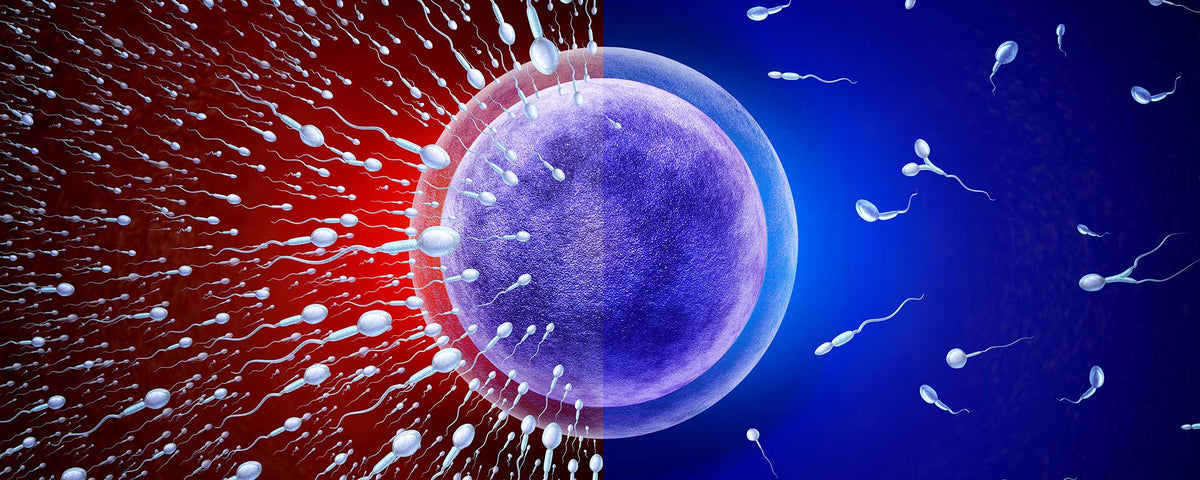
There's a reason the testes hang outside the body rather than tucking in somewhere warmer. Scrotal temperatures normally run a few degrees below the rest of the body, and sperm production needs that cooler environment to work properly. Basically, sperm cells are fussy. They want a very specific temperature, and they're not shy about sulking when they don't get it.
Push that temperature up, through a hot bath, a sauna, or anything else that holds sustained heat against the area, and sperm production takes a hit. A meta-analysis of human sperm studies found that high temperature exposure is consistently linked to reduced sperm count, concentration, motility and normal shape. So, a sauna isn't sabotaging anything permanently, it's just annoying your sperm, and annoyed sperm don't perform at their best.
Is sauna bad for sperm?
In short, yes, if it's frequent. Mayo Clinic lists avoiding saunas and hot tubs alongside wearing loose-fitting underwear and sitting less as steps that may improve sperm quality. Mayo Clinic's health system guidance goes further, noting that high-temperature spaces like saunas and hot tubs can reduce sperm count for as long as three months, roughly the length of a full sperm production cycle.
Does sauna use kill sperm outright? No. The meta-analysis of sperm parameter studies referenced above found a reduction in count, motility and normal shape, not a permanent wipeout, and the effect is driven by frequency and duration rather than a single session.
To put a number on it, one study covered by McGill University's Office for Science and Society followed twelve men who used a sauna for an average of two hours and twenty-four minutes every two weeks, and found sperm counts dropped by as much as 50 percent over the course of the study. That's a serious commitment to sauna life, well beyond an occasional fifteen minutes after the gym, and it shows in the number, though it also suggests that one good sweat session isn't going to end your bloodline.
Hot baths and other everyday heat sources
Saunas get most of the attention, but they're not the only culprit sneaking heat where it doesn't belong. Others worth knowing about:
-
Hot baths and hot tubs. Prolonged soaking works the same way a sauna does, sustained heat against the area, and the effect tends to scale with how long and how often you're in the water.
-
A laptop resting directly on your lap for extended periods. The heat from the device itself, combined with the body heat trapped between your legs, raises local temperature more than most people expect.
-
Tight underwear, which traps heat against the body. This overlaps with a separate factor: airflow, covered in more depth in our guide to underwear and testicular health.
-
Long periods of sitting, particularly in a warm environment. Desk jobs with long, uninterrupted hours are the most common everyday version of this.
None of these need to be avoided entirely. It's regular, sustained exposure that the research flags, not the odd hot bath or a one-off sauna session at a spa weekend, so there's no need to cancel the trip.
How long the effects last
Here's the actually good news, since this has all sounded a bit doom and gloom so far. Heat-related drops in sperm quality are generally reversible once the exposure stops. Since sperm takes roughly two to three months to fully regenerate, most men who cut back on heat exposure see their numbers recover within that same window.
A study by UCSF looked at men with a history of regular hot tub or bath use and tracked what happened once they stopped. Roughly half saw a meaningful improvement in their sperm count within three to six months of cutting out the heat exposure. Not everyone recovered at the same rate, smoking history was one factor that seemed to affect it, which is a fair reminder that heat is rarely acting alone.
Recovery isn't instant, in other words, but it's not glacial either, and knowing the rough timeline helps set realistic expectations. This lines up with why doctors typically recommend cutting back on saunas and hot tubs a few months before trying to conceive, rather than treating it as a one-time fix the week before.
When it's worth talking to a doctor
For most men, heat exposure is a minor, reversible factor, not something to worry about day to day. It's a habit to adjust, not a medical condition on its own. It's worth raising with a GP or fertility specialist if:
-
You and your partner have been trying to conceive for 12 months or more without success
-
You already have a diagnosed low sperm count or fertility concern
-
You want to rule out heat as a factor before further fertility testing
A doctor can order the right tests rather than leaving it to guesswork, and can help you work out whether heat exposure is actually a meaningful factor in your case or just one of several things worth ruling out.
Practical ways to keep things cooler
None of this requires major lifestyle changes, just a handful of small, fairly boring adjustments.
-
Limit sauna and hot tub sessions to occasional use, rather than a regular weekly habit, especially if you're actively trying to conceive.
-
Keep hot baths shorter and less frequent during the same period.
-
Take breaks from laptops on your lap. A desk or lap tray removes the direct heat source entirely, and your legs will thank you too.
-
Choose looser, breathable underwear over tight synthetic fabric, which helps to increase your sperm count.
-
Build in movement breaks if you sit for long stretches at a desk. Standing up every hour or so helps avoid prolonged, sustained heat buildup in one position.
-
Give it time. If you've cut back on heat exposure, expect two to three months before you'd see any change, not two to three days.
Heat exposure is a real, studied factor in sperm production, but it's also one of the easiest to control. It doesn't require giving anything up permanently, just being a bit more deliberate about frequency during the months that matter most. Cut back on how often rather than swearing off saunas and hot baths for good, give it a couple of months, and for most men that's genuinely the whole fix.


Charlie Walsh
Learn MoreCharlie Walsh is a writer at Bathmate, specializing in creating informative, engaging, and relatable content about men’s health, confidence, and wellbeing. Through his writing, Charlie helps readers better understand Bathmate’s products and the science behind them—always with a focus on honesty, empowerment, and real-world results.
Share:
Friction Burn and Chafing on the Penis: Causes and Prevention