


When something doesn’t feel right below the belt, it can be worrying. And when it comes to varicocele, this is one of those conditions that many men experience but few talk about openly. It affects the veins in the scrotum and can cause discomfort, pain, and possibly fertility issues, but many men have little to no idea what it actually is, why it occurs, and what treatment options are available. Lucky for you, we’re here to break it down.
What Is a Varicocele?
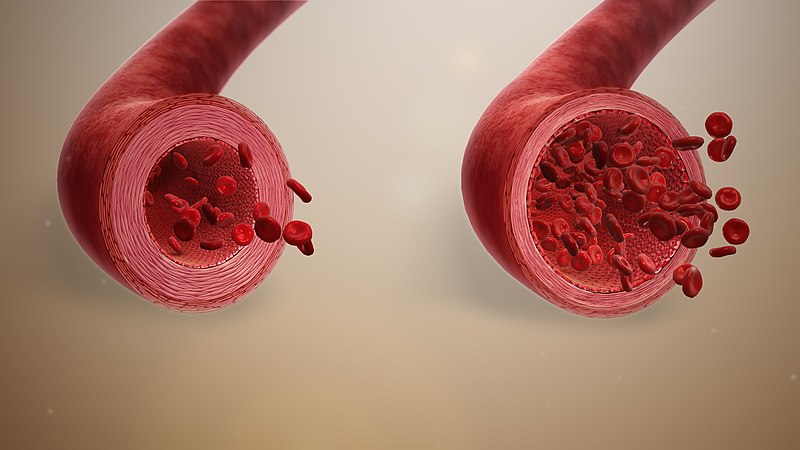
A varicocele is essentially a collection of enlarged veins in the scrotum, similar to varicose veins that might appear in the legs. These veins become dilated when blood pools inside them rather than flowing smoothly back to the heart. They typically form around the testicle, most commonly on the left side.
How Common Is Varicocele?
You’re not alone if you’ve been diagnosed with a varicocele! This condition affects approximately 15% of the adult male population. Interestingly, the numbers rise to about 35% among men who are experiencing primary infertility issues, suggesting a link between varicocele and infertility. Most cases develop during puberty, with many men not even aware they have the condition until a routine physical or when trying to conceive.
What Causes Varicocele?
The main cause of varicocele is faulty valves in the veins within the spermatic cord; when these valves don’t function properly, blood can flow backward, leading to pooling and vein enlargement. The left side is more commonly affected due to anatomical differences in how veins drain from each testicle.
Who Is Most at Risk?
Varicoceles can affect any man, but they most often develop during adolescence when rapid growth and hormonal changes occur. If you have a family history of varicoceles, your risk may be higher.
Varicocele Symptoms: What to Look For
Many men with varicoceles don’t experience any symptoms at all, while others may notice several telltale signs:
Common Signs and Symptoms
The classic description of varicocele veins is that they feel like a “bag of worms” when you touch them. (Sorry for the image in your head now). You might also experience:
- A dull, heavy ache in the scrotum
- Pain that worsens throughout the day or after physical activity
- Discomfort when standing for extended periods
- Visible swelling in the scrotum
- Temperature sensitivity in the affected area
How Varicocele Progresses Over Time
Without treatment, varicoceles typically don’t go away on their own. Some remain stable and cause minimal issues, while others may gradually worsen. However, if symptoms increase in severity or begin to affect your quality of life, it’s time to consider your treatment options.
Is Varicocele Dangerous?
The good news is that most varicoceles aren’t immediately dangerous to your overall health. The primary concern with varicoceles is their potential impact on fertility – the increased temperature around the testicle can affect sperm production and quality, with some studies also suggesting a possible connection to lower testosterone levels, though research isn’t exactly airtight in this area.
When to Seek Medical Help
You should consult a healthcare provider if you notice pain, swelling, or a lump in your scrotum. Additionally, if you’re trying to conceive and haven’t been successful, a varicocele evaluation might be warranted, especially if you’ve been trying for over a year.
How to Get a Varicocele Diagnosis

Doctors typically diagnose varicoceles through a physical examination, often while you’re standing. The distinctive “bag of worms” feeling is usually detectable by a trained physician. You can also perform regular self-examinations, similar to testicular cancer checks, to monitor for any changes.
If there’s uncertainty after a physical exam, your doctor might recommend an ultrasound. This painless test can confirm the diagnosis and rule out other conditions that might present with similar symptoms.
Varicocele Treatments: What Are Your Options?
Treatment decisions usually depend on your symptoms, fertility concerns, and personal preferences. For mild cases without symptoms, your doctor might recommend a “watch and wait” approach. Supportive measures like wearing tight-fitting underwear, using cold compresses, and taking over-the-counter pain relievers can help manage discomfort. And if you’re noticing that your libido has decreased (which is normal when you find something odd going on down there) we at Bathmate are your go-to trusted brand for confidence and results. Our penis pumps can get things up and running again (literally!) while also boosting your bedroom confidence.
Final Thoughts
Ultimately, varicocele is a common condition that, while sometimes uncomfortable, is manageable with proper care and treatment. If you suspect you have a varicocele, don’t hesitate to speak with a healthcare provider, especially if you’re thinking about starting a family in the future.





Share:
Il varicocele causa infertilità?
Come affrontare la disfunzione erettile in coppia},{