

Prostate cancer—it’s not exactly your go-to dinner table conversation, but let’s face it, it’s something every man should be aware of. After all, prostate cancer is rising in young men, and catching any problems early can make all the difference both in terms of prognostics and the intensity of any treatment.
So, if you’ve been wondering how to check for prostate cancer at home, don’t worry; this guide will help you navigate the basics and show you exactly how to test yourself at home – and don’t worry, you won’t need to put your finger up there. Unless you want to, of course.
What is Prostate Cancer?
Let’s start with the basics – what actually is prostate cancer? Not to be confused with the balls, your prostate is a small gland located just below your bladder, and its job is to produce seminal fluid. Prostate cancer occurs when cells in this gland grow uncontrollably.
The bad news? Prostate cancer happens to be one of the most common cancers among men, and impotence due to prostate cancer can be quite a common side-effect. The good news? Early detection can lead to effective treatment. And the better news? You can start keeping tabs on your prostate health from the comfort of your home with a bit of simple at-home testing.
At-Home Methods for Checking Prostate Health
Okay, let’s be clear first: you can’t completely diagnose prostate cancer at home. However, there are steps you can take to monitor your health and recognize early warning signs.
What is PSA (Prostate-Specific Antigen)?
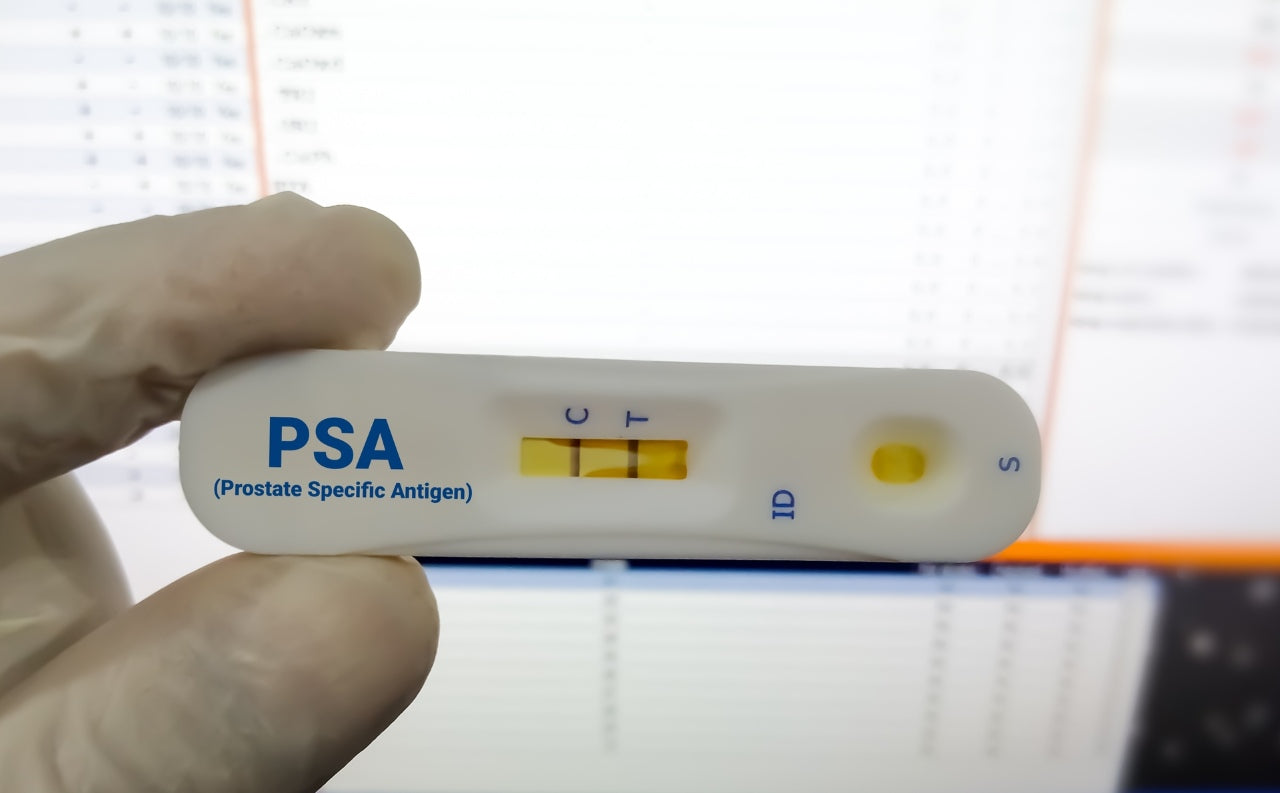
Prostate-Specific Antigen (PSA) is a protein produced by your prostate. Elevated PSA levels can indicate prostate issues, including cancer. Home PSA test kits are a useful first step in assessing your prostate health, though they’re no substitute for professional medical advice.
How to Perform an At-Home PSA Test
Home PSA tests are as straightforward as they come. Here’s what to do:
- Order a Test Kit: Choose a reputable PSA test kit online or from a pharmacy.
- Follow Instructions: Use the provided lancet to prick your finger and collect a small blood sample.
- Send It Off: Mail your sample to the lab in the pre-addressed envelope.
- Wait for Results: The lab will analyze your sample and notify you of your PSA levels.
If your PSA levels are elevated, it’s time to have a chat with your doctor. But remember, a high PSA doesn’t always mean cancer—it could be a sign of inflammation or an enlarged prostate.
Additional Signs and Symptoms to Monitor
Even if you’re not considering a PSA test just yet, you can still keep an eye on your body:
Physical Signs to Watch For
Here are some symptoms that should grab your attention:
- Difficulty urinating or a weak urine stream
- Blood in your urine or semen
- Frequent urges to urinate, especially at night
- Pain in the pelvis, hips, or back
Self-Assessment Techniques
While you can’t exactly poke around to feel your prostate (please don’t try), being aware of changes in your urinary or sexual health is key. If you’re noticing symptoms that make you pause, it’s a sign to book that doctor’s appointment.
When to Consult a Doctor

Recognizing Warning Signs
If you’ve done your at-home PSA test or noticed concerning symptoms, don’t put off seeing a healthcare professional. Your doctor might recommend further tests, such as a digital rectal exam (DRE) or a biopsy, to get a clearer picture.
Preparing for Your Doctor’s Visit
When visiting your doctor, be ready to share:
- Your family medical history
- Any symptoms you’ve noticed
- Results from your at-home PSA test
And remember, there’s no need to feel embarrassed. Your doctor has seen it all before and is there to help.
Lifestyle Tips for Prostate Health
While there’s no foolproof way to prevent any cancer from occurring (the big C doesn’t discriminate), there are ways to reduce your risk:
Healthy Diet Choices
Your prostate loves a diet rich in fruits, vegetables, and healthy fats. Incorporate foods like tomatoes (hello, lycopene!), nuts, and green tea into your meals. Bonus points if you cut back on processed foods and red meat.
Exercise and Its Benefits
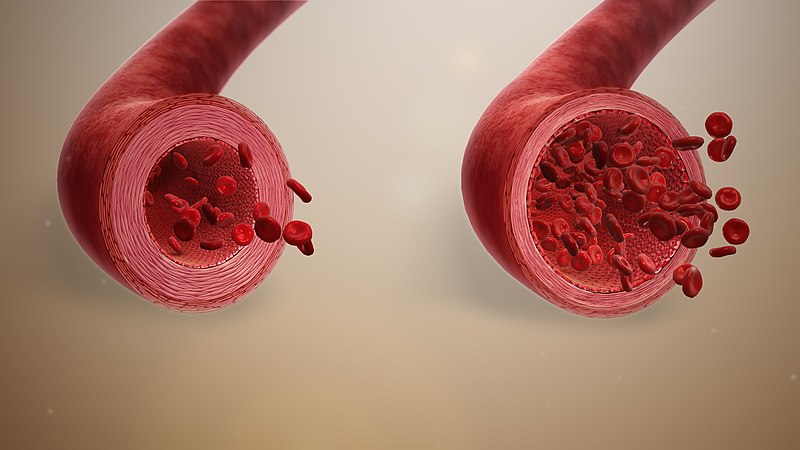
Regular physical activity isn’t just good for your waistline; it’s great for your prostate too. Whether it’s jogging, swimming, or yoga, keeping active helps improve blood flow and reduces inflammation.
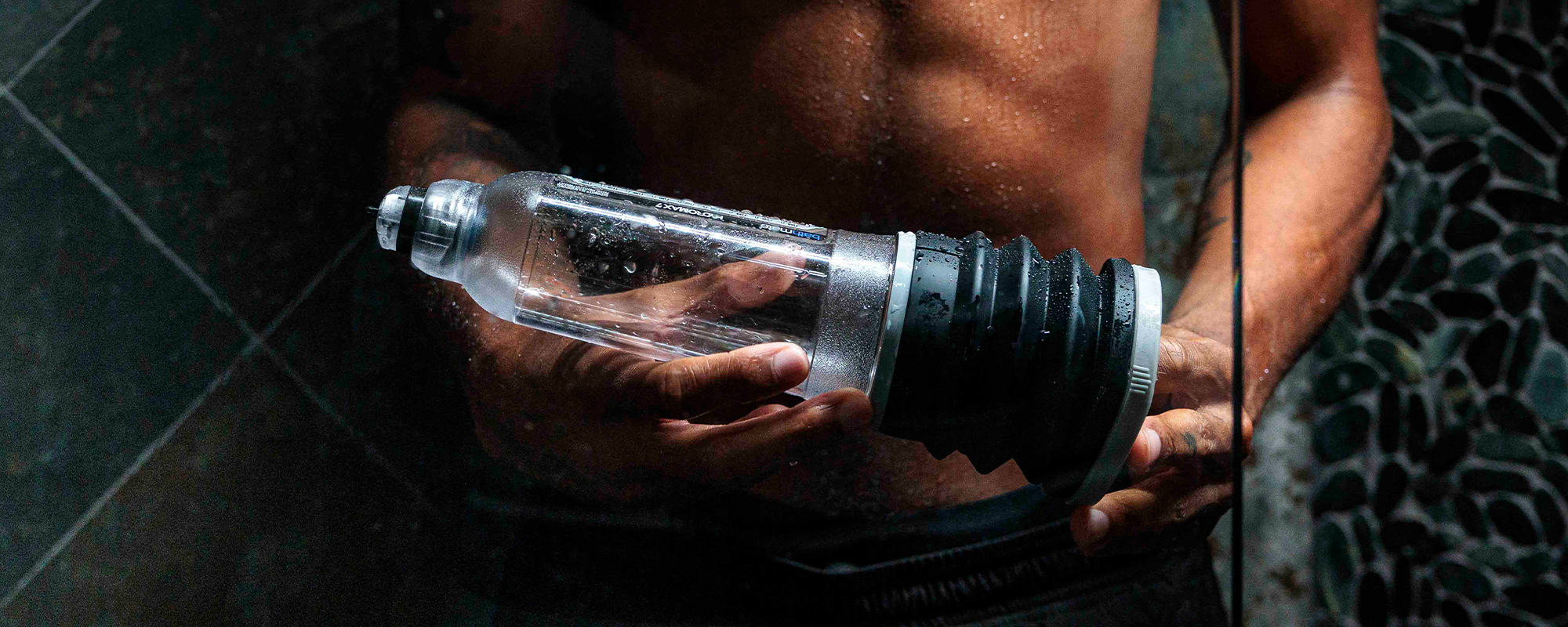
Oh, and if you’re looking to enhance your sexual performance, why not try a penis pump? Our pumps get your dick harder and fuller for longer, so they can actually be great if you’re dealing with ED or premature ejaculation linked to prostate issues. Check out our penis pump before and after results to see what we mean!
Final Thoughts
So there you have it – checking for prostate cancer at home is all about being proactive. While at-home PSA tests and monitoring symptoms are great starting points, they’re not a replacement for professional medical advice. If you notice anything unusual, don’t delay in reaching out to a doctor.




Condividi:
Perché la pelle del pene è secca?
Il legame tra malattie cardiache e disfunzione erettile